What are the applicable ranges of falling film evaporators
Source:
Release date: 2026-02-25
Information summary:The falling film evaporator is a liquid film, low-temperature, short-term, and efficient evaporation and concentration equipment. With its high heat transfer efficiency, short material heating time, low operating temperature, less coking, less foaming, continuous stability and other technical advantages, it is widely used in heat sensitive, medium low viscosity, low scaling tendency, and easy foam
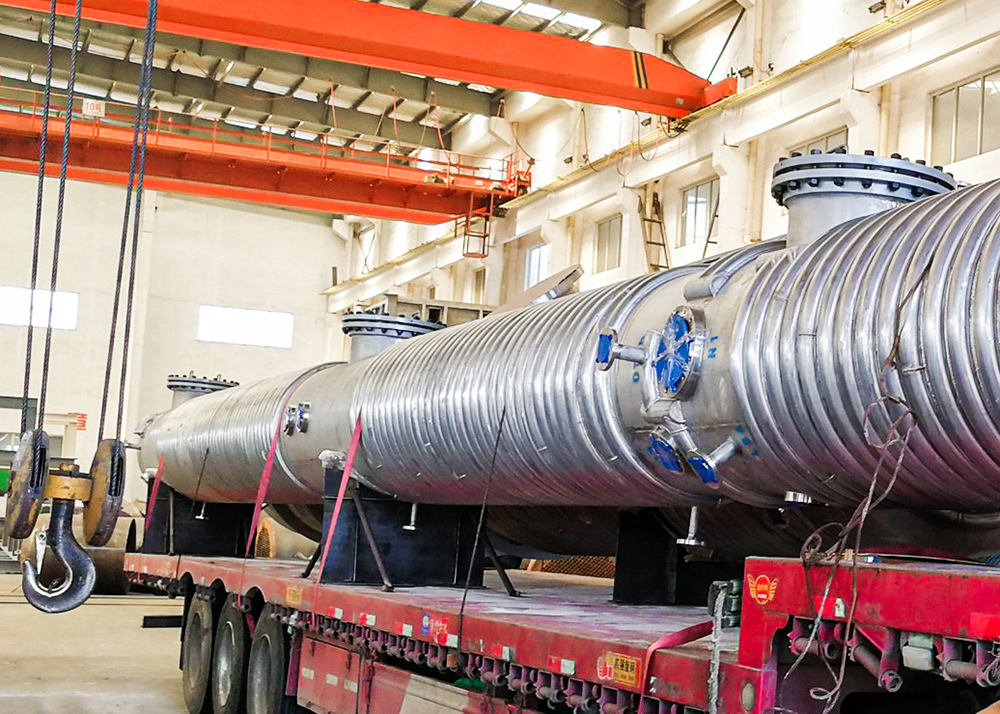
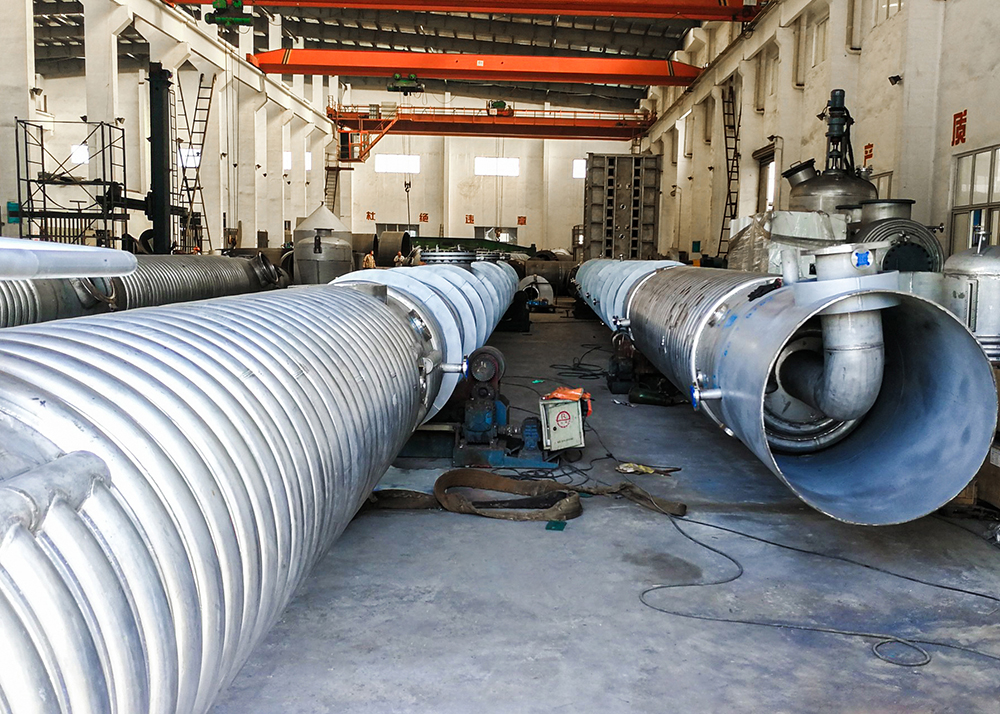
The falling film evaporator is a liquid film, low-temperature, short-term, and efficient evaporation and concentration equipment. With its high heat transfer efficiency, short material heating time, low operating temperature, less coking, less foaming, continuous stability and other technical advantages, it is widely used in heat sensitive, medium low viscosity, low scaling tendency, and easy foaming liquid evaporation, concentration, desolution, and recovery processes. It has become a key equipment for achieving efficient energy-saving concentration and clean production in industries such as food processing, biopharmaceuticals, chemical light industry, and environmental water treatment.
1、 Applicable material characteristics
1. Thermally sensitive materials
The active ingredients of the material are temperature sensitive, prone to decomposition, denaturation, deactivation, or discoloration over long periods of high temperature. The falling film evaporator can quickly evaporate under vacuum and low temperature conditions, with short material retention time, protecting product quality and active ingredients.
2. Medium low viscosity liquid
Suitable for materials with moderate viscosity and good fluidity, it can form a uniform, continuous, and stable descending liquid film on the inner wall of the heat exchange tube, ensuring efficient heat transfer and stable evaporation, and is not easily blocked or broken.
3. Materials with low scaling and low solid content
Suitable for liquid materials with low solid content, few suspended particles, and weak crystallization tendency. During operation, the scaling on the pipe wall is slow, the evaporation is stable, and the cleaning cycle is long.
4. Easy to foam materials
The feed liquid evaporates in the film flow state, and foam is less generated and entrained, which can effectively reduce material loss, entrainment and secondary pollution, and make the operation more stable.
2、 Main application industries and typical materials
1. Food and beverage industry
Dairy products: milk, whey, whey protein, lactose solution, skim milk concentrate
Carbohydrates and polyols: glucose, maltose, fructose syrup, sorbitol, xylitol, oligosaccharides
Fruit and vegetable processing: various fruit juices, vegetable juices, fruit pulp, plant extracts
Starch and Fermentation: Starch Sugar, Modified Starch Liquid, Fermentation Liquid, Plant Protein Liquid
2. Biopharmaceutical industry
Chinese herbal extract, concentrated Chinese herbal extract, oral liquid, plant extract
Antibiotic fermentation broth, vitamin solution, amino acid solution, biochemical drug materials
Biological polysaccharides, collagen, enzyme preparations, and biological fermentation filtrate
3. Chemical industry
Concentration and recovery of water-soluble inorganic salts and organic salt solutions
Ethylene glycol, propylene glycol, alcohol amine, water-soluble polymer solution
Concentrate chemical intermediates, dyes, additives, electroplating solutions, and cleaning solutions
4. Environmental protection water treatment industry
Industrial high salt wastewater: concentrated wastewater of sodium chloride, sodium sulfate, calcium chloride, nitrate, etc
Concentration and reduction of waste liquids in the chemical, pharmaceutical, food, and electroplating industries
Reverse osmosis concentrated water treatment, pre-treatment before evaporation crystallization, and zero emission process core unit
5. Other light industry and deep processing fields
Gelatin, seaweed extract, pectin, tea concentrate, coffee extract
Seasoning, fermented products, plant-based beverages, and functional beverage concentrates
3、 Typical Process Applications
Low temperature concentration of feed solution to increase concentration and reduce drying load
Solvent recovery and removal, recovery of useful solvents or reduction of COD
Mild concentration in the food and pharmaceutical industries to protect nutrition and active ingredients
Industrial wastewater reduction and resource utilization, achieving standard discharge or zero discharge







 Service Hotline

 Hotline:0512-52093708
 E-mail:
 Address:No. 101, Taojia Bridge, Dahe Village, Shanghu Town, Changshu City, Suzhou City, Jiangsu Province


 Add wechat
 Contact us
 Telephone