What is the working principle of a vertical stainless steel storage tank
Source:
Release date: 2026-06-01
Information summary:The core principle of a vertical stainless steel storage tank is gravity storage, sealing and pressure maintenance, safety balance, and stable support. It relies on a vertical cylindrical closed structure to achieve safe storage of medium at normal/low pressure, and cooperates with accessories to complete feeding and discharging, pressure balance, and safety protection.
The core principle of a vertical stainless steel storage tank is gravity storage, sealing and pressure maintenance, safety balance, and stable support. It relies on a vertical cylindrical closed structure to achieve safe storage of medium at normal/low pressure, and cooperates with accessories to complete feeding and discharging, pressure balance, and safety protection.
1、 Core structure (vertical=axis perpendicular to ground)
Can bottom: flat bottom/conical bottom/elliptical bottom; The cone bottom is easy to empty and clean.
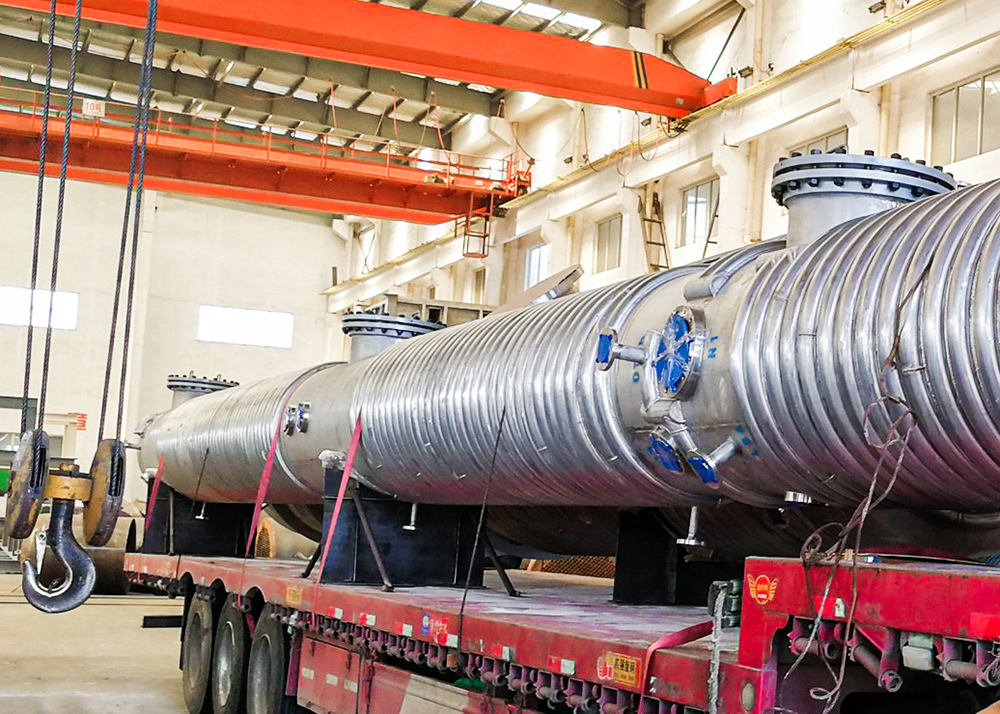
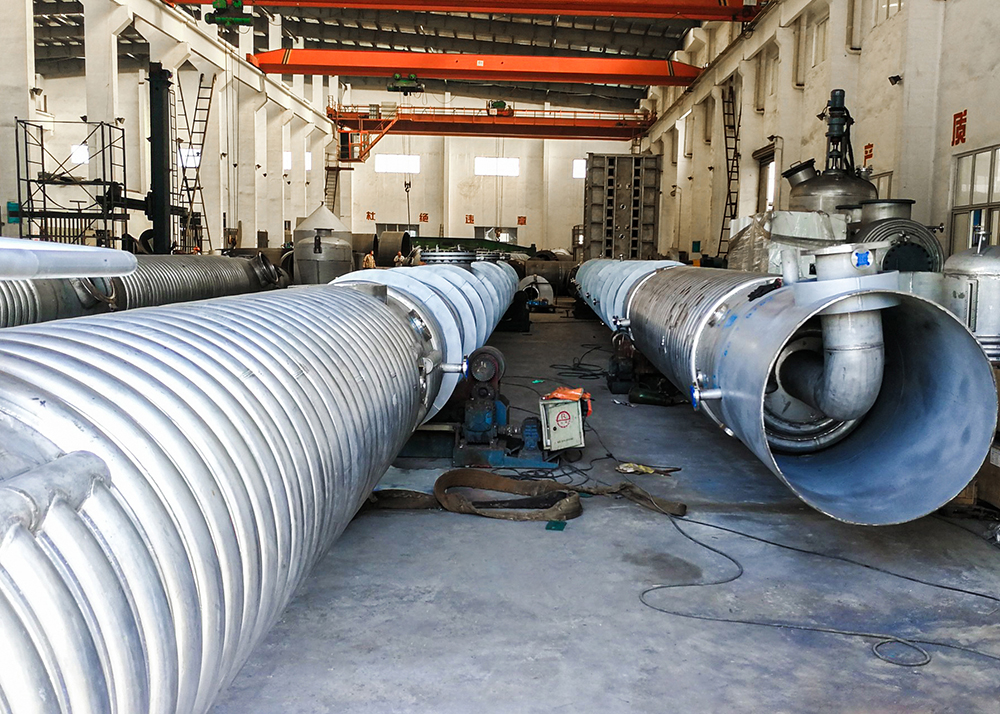
Tank wall: 304/316L stainless steel coil welding; Cylindrical structure with uniform force distribution, pressure resistance, and resistance to deformation; The bottom wall thickness is slightly thicker (to withstand greater static pressure from the liquid column).
Tank top: Fixed top (flat top/conical top/elliptical head, good pressure bearing) or floating top (rising and falling with liquid level, reducing volatilization).
Support: Leg/skirt, load-bearing+stable.
Interfaces: feed inlet, discharge outlet, manhole, level gauge, breathing valve, safety valve, drain outlet.
2、 Four working principles
1. Principle of sealed storage
The tank body is fully welded and sealed with flanges (equipped with sealing rings) to isolate air/impurities/moisture, prevent pollution, oxidation, and volatilization.
Stainless steel is acid and alkali resistant, corrosion-resistant, suitable for food/pharmaceutical/chemical/water treatment.
2. Principle of Gravity and Liquid Column Pressure
The vertical cylinder naturally settles by gravity, with fast and residue free discharge at the bottom.
The static pressure of the liquid column formed by the liquid in the tank: the higher the liquid level, the greater the bottom pressure; Thicken the bottom wall thickness during design to ensure strength.
3. Principles of pressure balance and safety protection
Breathing valve: temperature changes → liquid expansion/contraction → pressure fluctuations inside the tank; The breathing valve automatically inhales/exhausts, balances pressure, and prevents suction and swelling.
Safety valve: Automatic pressure relief in case of overpressure, explosion-proof tank.
Manhole/Inspection Port: Regular cleaning, maintenance, and inspection.
4. Principle of incoming and outgoing materials and liquid level monitoring
Feeding: Top/side feeding, splash proof, anti-static.
Discharge: Bottom/cone bottom discharge, transported by gravity or pump.
Liquid level gauge: float/pressure/ultrasonic type, real-time monitoring of liquid level, control of incoming and outgoing material volume.
3、 Key design logic
Cylindrical: uniform stress, low stress, good pressure resistance, and not easily deformed.
Vertical layout: small footprint, high space utilization rate (20% -30% higher than horizontal layout), easy emptying at the bottom, and convenient maintenance.
Material compatibility: 304 for food use, 316L for chemical use, corrosion-resistant and pollution-free.
4、 Common types and uses
Atmospheric pressure tank: for storing water, beverages, and medicinal liquids; Equipped with a breathing valve.
Insulated tank: jacketed/polyurethane insulated, storing hot water, hot oil, and fermentation broth.
Mixing tank: a top mounted mixer used for mixing, reaction, and blending.
Vacuum can: Vacuumize, prevent oxidation, and extend shelf life.








 Service Hotline

 Hotline:0512-52093708
 E-mail:
 Address:No. 101, Taojia Bridge, Dahe Village, Shanghu Town, Changshu City, Suzhou City, Jiangsu Province


 Add wechat
 Contact us
 Telephone