What are the applications of outer coil stainless steel towers in the petroleum refining industry
Source:
Release date: 2025-12-29
Information summary:The outer coil stainless steel tower is a core non-standard pressure vessel equipment in the petroleum refining industry. It uses stainless steel as the main material of the tower body, and the outer wall of the tower is surrounded by a coil structure. It has the characteristics of corrosion resistance, high temperature and high pressure resistance, high heat transfer efficiency, and flexible oper
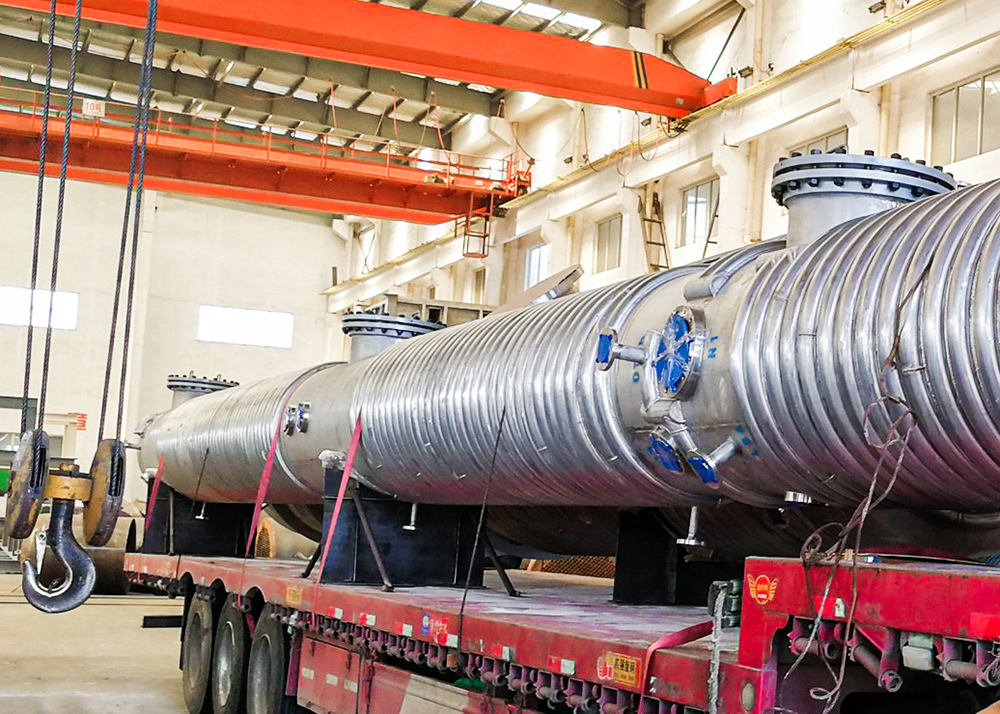
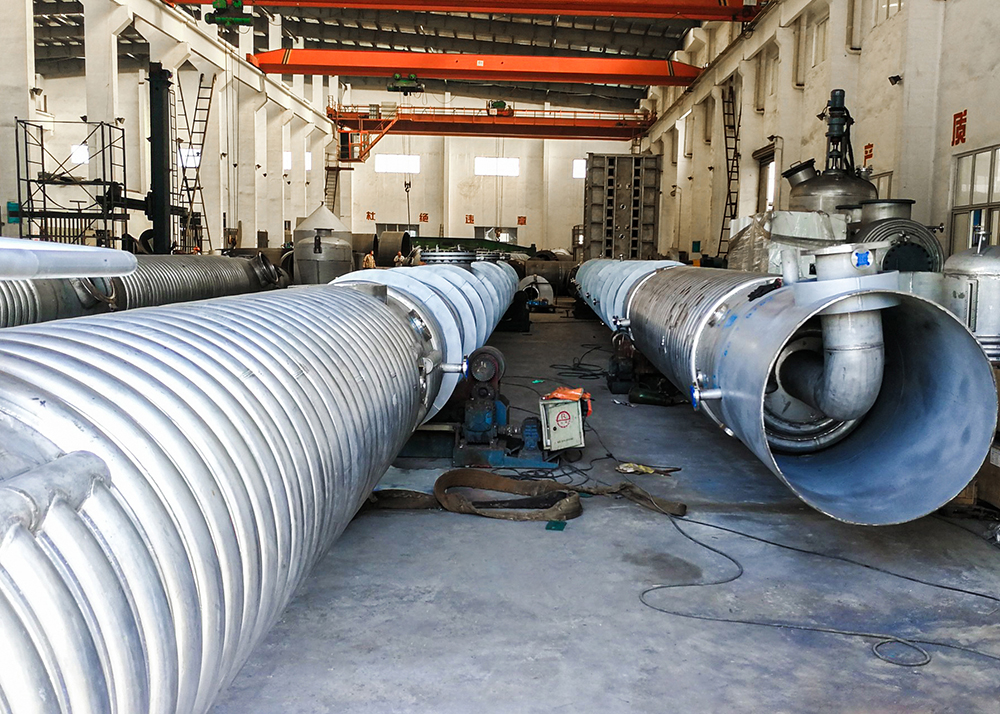
The outer coil stainless steel tower is a core non-standard pressure vessel equipment in the petroleum refining industry. It uses stainless steel as the main material of the tower body, and the outer wall of the tower is surrounded by a coil structure. It has the characteristics of corrosion resistance, high temperature and high pressure resistance, high heat transfer efficiency, and flexible operation. It is suitable for core processes such as petroleum refining, petrochemicals, and oil and gas processing, and undertakes key processes such as distillation, distillation, absorption, analysis, and condensation. It is the core equipment for petroleum processing conversion, quality improvement and purification. The specific application scenarios and adaptation advantages are as follows:
1、 Petroleum refining process: core separation and purification equipment, suitable for the urgent needs of oil processing
Petroleum refining is the most core application area of stainless steel towers with outer coils. For processes such as crude oil distillation and oil refining, outer coils can correctly control temperature, ensure separation efficiency and oil quality, and adapt to the entire production process of basic oil products such as gasoline, diesel, kerosene, etc.
1. Crude oil atmospheric and vacuum distillation tower (core application)
It is the first core equipment for crude oil refining, and the outer coil stainless steel tower is adapted to the atmospheric and vacuum distillation process, undertaking the task of crude oil separation and purification. The tower body is made of high-pressure resistant stainless steel material, suitable for high temperature and high pressure conditions of crude oil distillation (atmospheric tower temperature 300-400 ℃, vacuum degree of vacuum tower 0.09-0.098MPa); The outer wall coil is filled with heat transfer oil or steam to achieve correct temperature control of the tower body, allowing crude oil to be separated into layers according to boiling point differences, producing fractions such as gasoline, kerosene, diesel, wax oil, and separating by-products such as asphalt and residue oil. The outer disk controls the temperature evenly, avoiding local overheating that may cause oil cracking, ensuring the purity of the distillate, and the stainless steel material is corrosion-resistant, resisting the corrosion of sulfur and nitrogen impurities in crude oil and extending the service life of the equipment.
2. Oil refining tower (desulfurization/denitrification/decolorization)
For the crude oil produced by atmospheric and vacuum distillation, the outer coil stainless steel tower is used for refining and purification, suitable for processes such as desulfurization tower, denitrification tower, decolorization tower, etc. Adsorbents or catalysts are loaded inside the tower, and heating medium (steam) or cooling medium (circulating water) is introduced into the outer wall coil. The reaction temperature is adjusted correctly: in the desulfurization tower, the temperature is controlled to 200-300 ℃ through the outer coil to promote the reaction between sulfides and desulfurizers in the oil and reduce the sulfur content to meet the standard; The decolorization tower adjusts the low-temperature environment through an external coil, adsorbs the gum and pigments in the oil, and improves the color and quality of the oil. The stainless steel tower body is resistant to acid and alkali corrosion, suitable for chemical media in the refining process, and the outer coil tube has high heat exchange efficiency, ensuring refining efficiency and oil product qualification rate.
3. Oil blending tower
Used for blending ratios of different fractions of oil products, the outer coil stainless steel tower can be temperature controlled through the coil to ensure stable oil flow during the blending process, avoiding low-temperature viscosity and high-temperature volatilization. The stainless steel material of the tower body is clean and free of impurities, which will not contaminate the oil. It is suitable for processes such as gasoline grade blending and diesel anticoagulant blending to ensure that the performance of the blended oil meets the standards. The tower body has good sealing to prevent oil volatilization and loss, and is suitable for the large-scale production needs of petroleum refining.
2、 Petrochemical process: core equipment for raw material conversion, suitable for chemical synthesis
Petrochemical industry uses refining by-products (naphtha, propylene, ethylene) as raw materials, and outer coil stainless steel towers undertake processes such as cracking, distillation, and absorption, helping to convert them into basic chemical raw materials such as ethylene, propylene, benzene, and toluene, which are suitable for downstream production in the petrochemical industry chain and have strong process adaptability.
1. Light hydrocarbon distillation tower
For the light hydrocarbons (ethane, propane, butane) produced by refining, an outer coil stainless steel tower is used for correct distillation separation. The tower body is made of high-temperature resistant stainless steel, suitable for low-temperature and high-pressure conditions of light hydrocarbon distillation (temperature -50~100 ℃, pressure 1.5-3.0MPa); The outer wall coil is filled with refrigerant (liquid nitrogen) or heat medium, and the temperature gradient inside the tower is controlled layer by layer to separate the mixed light hydrocarbons according to boiling point differences, purifying high-purity ethane (used for cracking ethylene) and propane (used for cracking propylene). The outer coil has high heat exchange efficiency and correct temperature control, ensuring that the purity of light hydrocarbons can reach over 99.9%, meeting the requirements of subsequent cracking processes.
2. Aromatic hydrocarbon extraction tower
Used for separating aromatic products such as benzene, toluene, and xylene from naphtha, the outer coil stainless steel tower is adapted to the constant temperature requirements of the extraction process. Introduce extraction solvent into the tower and constant temperature medium into the outer wall coil to stabilize the temperature inside the tower at 80-120 ℃, promote full contact between the solvent and naphtha, and extract aromatic components; The stainless steel tower body is resistant to solvent corrosion and has a smooth surface without wall hanging, reducing material residue. The outer coil tube is temperature controlled to avoid temperature fluctuations affecting extraction efficiency, ensuring the yield and purity of aromatic hydrocarbons. It is the core equipment of aromatic hydrocarbon chemical industry.
3. Cracking gas absorption tower
The cracking gas produced by petroleum hydrocarbon cracking (including ethylene, propylene, methane, etc.) needs to be absorbed and purified through an outer coil stainless steel tower. The tower is filled with absorbent, and the outer wall coil is filled with cooling medium to reduce the temperature inside the tower to 0-50 ℃, allowing the heavy components (propane, butane) in the cracking gas to be captured by the absorbent and the light components (ethylene, propylene) to be purified and separated; The stainless steel tower body is resistant to low temperature and corrosion, resisting the erosion of acidic impurities in cracking gas. The outer coil tube has high heat exchange efficiency, and rapid cooling improves absorption efficiency, laying the foundation for subsequent ethylene and propylene refining.
3、 Oil and gas field extraction and processing: oil and gas purification and quality improvement, suitable for wellhead and gathering and transportation
In the oil and gas field stage of oil extraction, the outer coil stainless steel tower is adapted to wellhead oil and gas processing, associated gas purification, crude oil dehydration and other processes, solving problems such as impurities and excessive water content in oil and gas, ensuring the safety of oil and gas transportation and storage, and adapting to the harsh working conditions on the oilfield site.
1. Oil gas water three-phase separation tower
The crude oil produced at the wellhead is often accompanied by natural gas and formation water, and the outer coil stainless steel tower is used for three-phase separation and purification. The tower body is made of salt spray resistant stainless steel (suitable for wet and salty environments in oil fields), and the outer wall coil is filled with heating medium to control the temperature inside the tower at 60-90 ℃, reduce the viscosity of crude oil, and promote oil gas water stratification: natural gas is separated at the top, qualified crude oil is produced in the middle, and formation water is separated at the bottom; External temperature control is used to prevent crude oil from solidifying and blocking the tower body. Stainless steel material is used to resist corrosion from chloride ions and sulfates in formation water, which is suitable for long-term operation in oil fields. It ensures that the water content of separated crude oil is ≤ 0.5% and meets the standard for export.
2. Oilfield associated gas purification tower
The associated gas in oil fields contains impurities such as methane, ethane, and hydrogen sulfide. The stainless steel tower with outer coils is used for purification and purification. The associated gas is treated by adsorption and desulfurization processes inside the tower, and the temperature is adjusted by the outer wall coil. The desulfurization process is controlled at 120-180 ℃ to promote the reaction between hydrogen sulfide and desulfurizer. After purification, the methane content of the associated gas can reach over 95%, which can be used as fuel gas or chemical raw materials; The stainless steel tower body is resistant to hydrogen sulfide corrosion and has excellent sulfur resistance. The outer coil tube has stable heat exchange and is suitable for the dispersed treatment and on-site utilization of associated gas in oil fields, reducing resource waste.
3. Crude oil dehydration and desalination tower
Extracting crude oil containing salt (sodium chloride, calcium chloride) and water will corrode subsequent refining equipment, and the outer coil stainless steel tower is responsible for the core task of dehydration and desalination. Inject demulsifier into the tower, steam into the outer wall coil for heating, and control the temperature to 100-150 ℃ to destroy the crude oil emulsion, allowing the salt to dissolve in water and settle and separate; The stainless steel tower body is resistant to high temperature and salt corrosion, avoiding salt crystallization from adhering to the tower wall. The outer coil is heated evenly, improving dehydration and desalination efficiency, ensuring that the salt content of crude oil is ≤ 3mg/L and the water content is ≤ 0.3%, meeting the refining feed standards.
4、 Deep processing of petroleum products: improving quality and efficiency, adapting to oil production
For downstream petroleum product processing, the outer coil stainless steel tower is adapted to processes such as lubricating oil refining, fuel oil upgrading, and petroleum wax purification to enhance product added value and meet the market demand for petroleum products.
1. Lubricating oil refining tower
Basic lubricating oil needs to be refined to remove impurities, and the outer coil stainless steel tower is suitable for solvent refining process. Refined solvent is introduced into the tower, and the outer wall coil is controlled at a correct temperature (80-110 ℃) to dissolve impurities such as gum and asphaltene in the lubricating oil. After purification, the viscosity index of the lubricating oil is increased and its antioxidant properties are enhanced; The stainless steel tower body is clean and free of impurities, avoiding contamination of lubricating oil. The outer disk controls the temperature stability, ensuring that the refined lubricating oil meets the quality standards and is suitable for the production of automotive and industrial lubricating oil.
2. Petroleum wax distillation tower
Purify paraffin wax and microcrystalline wax from refined wax oil, and adapt the distillation process with an outer coil stainless steel tower. A temperature gradient is formed inside the tower, and the outer wall coils are respectively filled with hot and cold media. Low melting point paraffin wax is produced at the top, and high melting point microcrystalline wax is produced at the bottom; The stainless steel tower body is resistant to high temperatures and has a smooth surface, avoiding wax adhesion and agglomeration. The outer coil tube has efficient heat exchange, ensuring wax purity of over 99.5%, and is suitable for the production needs of food grade paraffin and industrial grade microcrystalline wax.
3. Fuel oil upgrading tower
For low-quality fuel oil (high sulfur content, low calorific value), the outer coil stainless steel tower is used for upgrading and modification. Inject a quality enhancer into the tower and control the temperature of the outer wall coil to 250-350 ℃ to promote the decomposition of impurities and the conversion of heavy components in the fuel oil, reduce sulfur content, and increase calorific value; The stainless steel tower body is resistant to high temperature corrosion and is suitable for the harsh working conditions of the upgrading process. The outer disk controls the temperature correctly, ensuring that the upgraded fuel oil meets environmental emission standards and is suitable for the fuel needs of ships and industrial furnaces.
5、 The core adaptation advantages (application value) of outer coil stainless steel tower in the petroleum refining industry
Strong adaptability to weather and corrosion: The stainless steel tower body is resistant to high temperature, low temperature, and high pressure, and can resist corrosive media such as sulfur, nitrogen, and chloride ions in the petroleum refining industry. It is suitable for harsh working conditions in multiple scenarios such as refining, petrochemicals, and oil fields, and has a long service life (15-20 years).
Accurate temperature control and high efficiency: The outer coil tube surrounds the heat exchange, with sufficient contact with the tower body, uniform temperature control without dead corners, temperature fluctuations of ≤± 2 ℃, ensuring stable operation of distillation, distillation, absorption and other processes, and improving product yield and purity.
Flexible structure and wide adaptability: tower diameter, height, and coil specifications can be customized according to needs, adapting to different process conditions such as atmospheric pressure, depressurization, low temperature, and high pressure, balancing small batch purification and large-scale production, and adapting to the diverse production needs of the petroleum refining industry.
Safe, stable, and easy to operate: Stainless steel material has high strength, impact resistance, and deformation resistance, meeting the safety standards for pressure vessels in the petroleum refining industry; The modular design of the outer coil tube facilitates maintenance and replacement, and the tower body is less prone to scaling and wall hanging, resulting in low operation and maintenance costs.
Green energy conservation and consumption reduction: The heat exchange efficiency of the outer coil is 15% -30% higher than that of the traditional jacket type, with less heat loss and the ability to recycle process waste heat, which meets the policy requirements of energy conservation, consumption reduction, and green production in the petroleum refining industry.





 Wechat number:18626143580



 Service Hotline

 Hotline:0512-52093708
 E-mail:
 Address:No. 101, Taojia Bridge, Dahe Village, Shanghu Town, Changshu City, Suzhou City, Jiangsu Province
 Add wechat
 Contact us
 Telephone