What are the main purposes of the tower reboiler
Source:
Release date: 2026-01-05
Information summary:The reboiler at the bottom of the tower is a crucial supporting device for chemical separation equipment such as distillation towers and absorption towers. Essentially, it is a high-efficiency heat exchanger installed at the bottom of the tower (the reboiler at the bottom of the tower), whose core function is to provide continuous heat and gas phase reflux for material separation within the tower,
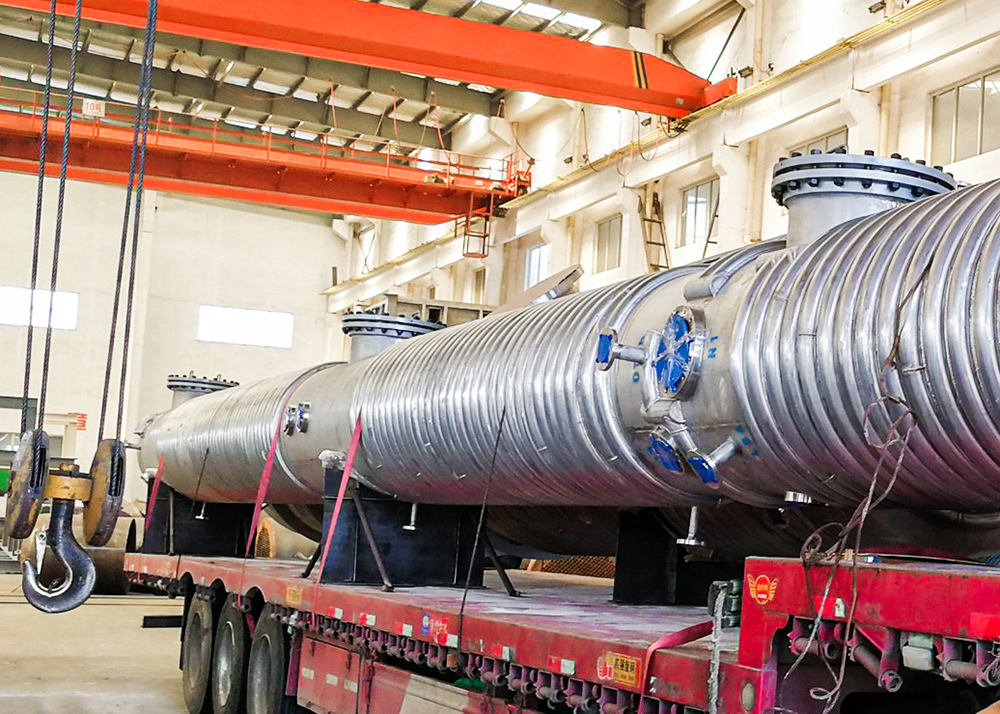
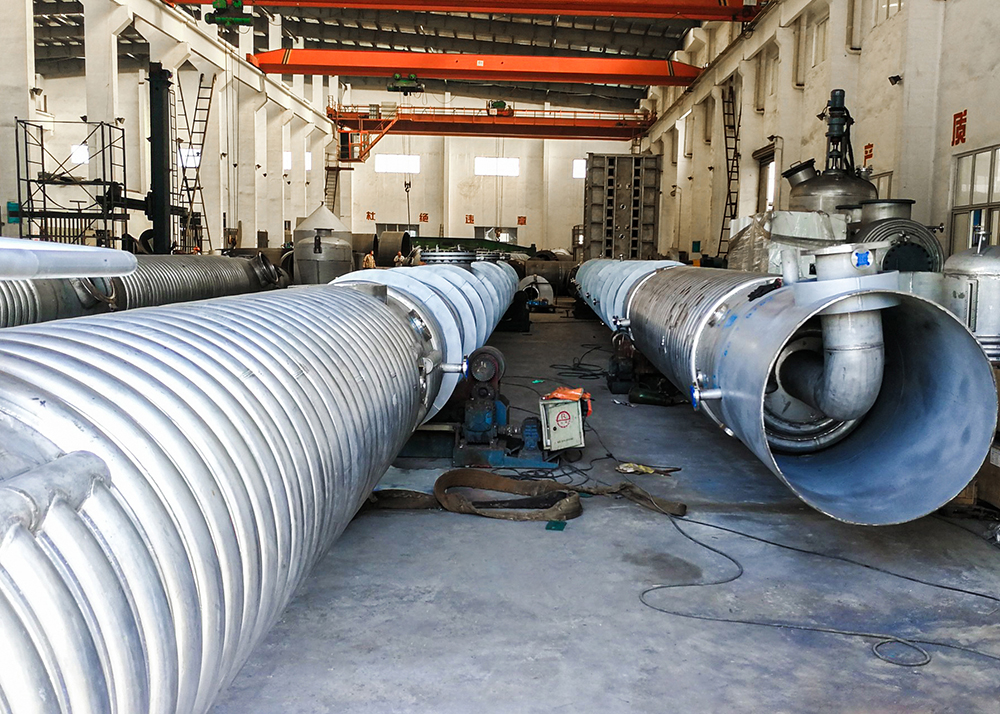
The reboiler at the bottom of the tower is a crucial supporting device for chemical separation equipment such as distillation towers and absorption towers. Essentially, it is a high-efficiency heat exchanger installed at the bottom of the tower (the reboiler at the bottom of the tower), whose core function is to provide continuous heat and gas phase reflux for material separation within the tower, serving as the power source for precise separation of mixtures. Its main applications are concentrated in the separation processes of the chemical, petroleum, pharmaceutical, food, and other industries, as detailed below:
1. Core purpose: To provide heat and vapor phase reflux for distillation separation
This is the fundamental purpose of the reboiler at the bottom of the tower, which directly determines the separation efficiency of the distillation tower:
1. Heat the liquid phase material in the tower kettle
The mixed liquid in the tower kettle (usually the kettle residue of the distillation tower or the bottom liquid that needs to be separated again) is heated to the bubble point or dew point temperature by a heating medium (such as steam, heat transfer oil, or high-temperature process gas) in the reboiler, and some liquid phase materials vaporize to form a gas phase.
2. Form gas phase reflux inside the tower
The vaporized gas-phase material returns to the bottom of the distillation column from the reboiler and contacts the liquid-phase material (overhead reflux liquid) flowing from top to bottom in the column in countercurrent. Through mass and heat transfer between the gas and liquid phases, separation of light components (volatile components) and heavy components (non-volatile components) is achieved - the light components move upward with the gas phase to the top of the column for enrichment, while the heavy components remain in the column bottom and are collected.
3. Maintain stable operating conditions within the tower
The reboiler controls the heating amount to adjust the temperature gradient, gas-liquid ratio, and pressure distribution within the column, ensuring stable operation of the distillation column under the set process conditions. This prevents a decrease in separation efficiency due to insufficient heat or "column flooding" (severe gas-liquid entrainment, disrupting the separation effect) caused by excess heat.
II. Typical application scenarios in different industries
1. Petrochemical industry
Used for heating the bottom of crude oil fractionation towers and catalytic cracking fractionation towers, to separate oils with different boiling ranges such as gasoline, diesel, and kerosene;
Applied to solvent recovery towers, such as the purification and recycling of organic solvents like methanol, ethanol, and acetone, heat is provided through a reboiler to achieve the separation of solvents from impurities.
2. Chemical industry
Used for the separation of multi-component mixtures, such as the distillation purification of essences and fragrances, coating additives, and pharmaceutical intermediates, with temperature control by reboiler to avoid the decomposition of heat-sensitive components due to high temperature;
It is used in conjunction with absorption towers, such as the reboiler of the bottom of decarbonization towers and desulfurization towers, to heat the absorption liquid and desorb it, releasing absorbed gases such as CO₂ and H₂S, thus achieving the regeneration and recycling of the absorbent.
3. Pharmaceutical and food industry
In the pharmaceutical field: purification towers and solvent recovery towers for effective drug ingredients, with reboilers heated by low-pressure steam to ensure the purity and safety of drugs;
Food industry: used in alcohol distillation towers (Baijiu, beer production), juice concentration towers, and edible oil refining towers, achieving component separation through gentle heating and preserving the flavor and nutrition of food.
4. Environmental protection industry
The distillation desalting tower and organic solvent recovery tower used in wastewater treatment heat the wastewater through the tower kettle reboiler, vaporizing and separating the organic solvents within it, thereby achieving wastewater discharge compliance and resource recovery.
III. Derivative applications: waste heat recovery and energy saving and consumption reduction
In modern chemical plants, tower reboilers are often integrated with other process equipment to achieve waste heat recovery:
Utilize high-temperature waste heat fluids from other process units (such as reactor effluent and steam condensate) as the heating medium for the reboiler, replacing fresh steam to reduce the energy consumption of the device;
Certain reboilers, such as thermosyphon and forced circulation types, can achieve energy-saving operation by optimizing the circulation process, improving heat transfer efficiency, and reducing the consumption of heating medium.





 Wechat number:18626143580



 Service Hotline

 Hotline:0512-52093708
 E-mail:
 Address:No. 101, Taojia Bridge, Dahe Village, Shanghu Town, Changshu City, Suzhou City, Jiangsu Province
 Add wechat
 Contact us
 Telephone