What are the applications of tubular heat exchangers in the energy industry
Source:
Release date: 2026-01-13
Information summary:Tube and tube heat exchangers, with their sturdy structure, high heat transfer efficiency, high temperature and pressure resistance, and wide applicability to various media, are the core heat exchange equipment in the energy industry. They are widely used in multiple sub sectors such as thermal power, nuclear power, new energy, and oil and gas extraction and processing. The specific application sc
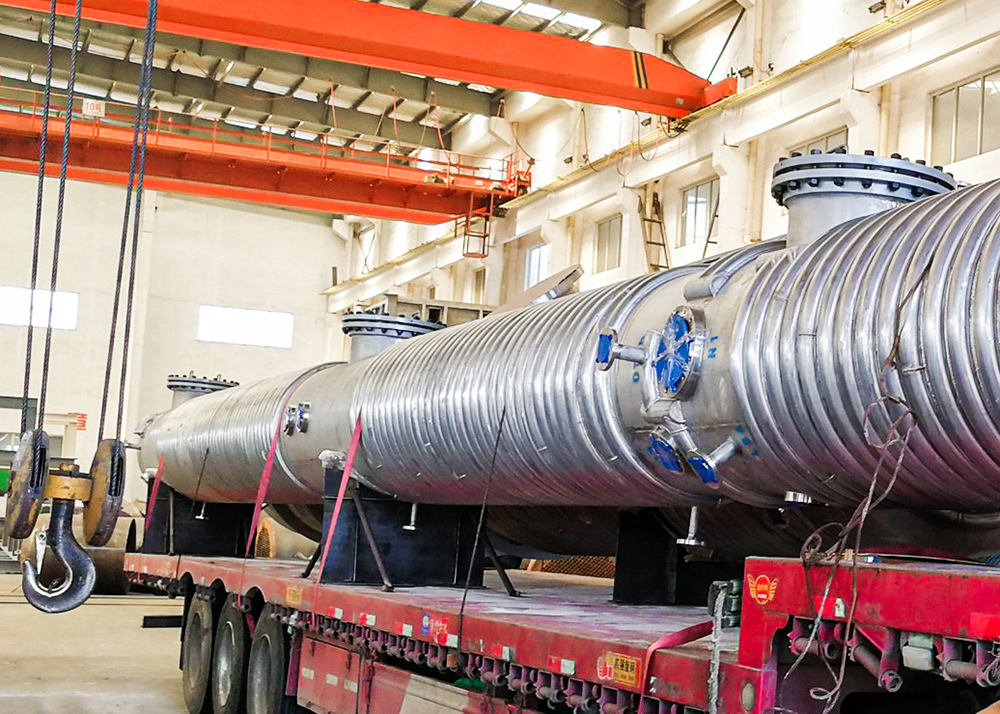
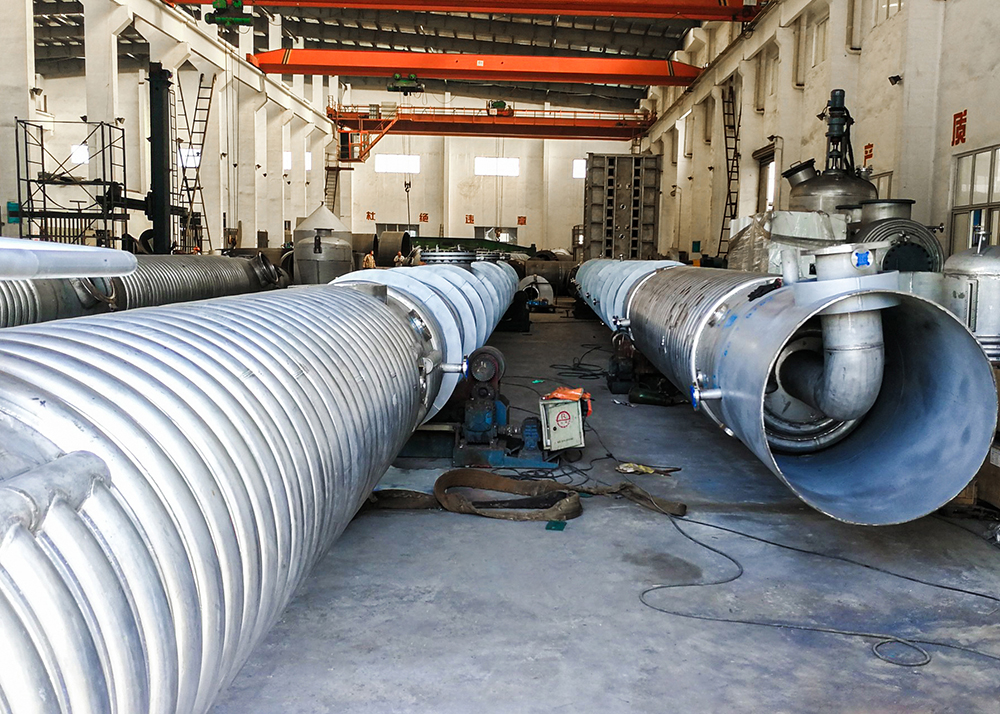
Tube and tube heat exchangers, with their sturdy structure, high heat transfer efficiency, high temperature and pressure resistance, and wide applicability to various media, are the core heat exchange equipment in the energy industry. They are widely used in multiple sub sectors such as thermal power, nuclear power, new energy, and oil and gas extraction and processing. The specific application scenarios are as follows:
1、 Thermal power generation field
1. Boiler system heat exchange
As a key supporting equipment for boilers, tubular heat exchangers are used for boiler feedwater preheating and flue gas waste heat recovery. In the feedwater preheating stage, the low-pressure steam discharged from the steam turbine is used to heat the boiler feedwater, increase the feedwater temperature, reduce fuel consumption, and improve the boiler thermal efficiency; In flue gas waste heat recovery, the waste heat from the tail flue gas of the boiler is recovered through a heat exchanger, heating air or water to reduce heat waste and achieve energy conservation and consumption reduction.
2. Steam turbine cooling system
Used for cooling turbine lubricating oil and generator stator. During the operation of the steam turbine, the temperature of the lubricating oil increases. The tubular heat exchanger exchanges heat with the lubricating oil through circulating cooling water to ensure that the lubricating oil is at a suitable temperature and avoid affecting the lubrication effect due to high oil temperature; At the same time, it can cool the stator winding of the generator, maintain stable operating temperature of the generator, and prevent equipment from overheating and damage.
2、 Nuclear power field
1. Heat exchange of primary coolant
The primary circuit of a nuclear power plant carries the heat generated by the nuclear reactor, and the tubular heat exchanger (often used as the core component of a steam generator) plays a crucial role in heat transfer. The high-temperature coolant in the first loop flows through the tube side of the heat exchanger, transferring heat to the feedwater in the second loop of the shell side, causing it to vaporize and generate steam to drive the steam turbine for power generation, while achieving isolation between the first and second loops to ensure the safety of nuclear power operation.
2. Auxiliary system temperature control
In the auxiliary systems of nuclear power plants, tubular heat exchangers are used to cool equipment cooling water, circulating water and other media, ensuring that the auxiliary equipment on the nuclear island and conventional island operate within the specified temperature range and maintaining the overall stability of the nuclear power plant system.
3、 Oil and gas extraction and processing field
1. Oil and gas field extraction process
Used for condensing associated gas in crude oil and exchanging heat with formation water. In the process of oil and gas extraction, associated gas contains a large amount of hydrocarbon substances, which can be recovered by cooling with a tubular heat exchanger to improve resource utilization efficiency; At the same time, heat exchange and cooling of high-temperature formation water are carried out to facilitate subsequent treatment and reinjection into the formation, reducing corrosion to equipment.
2. Refining and chemical processes
It is the core heat exchange equipment in refineries, widely used in processes such as distillation, catalytic cracking, and hydrorefining. For example, in a distillation tower, a tubular heat exchanger is used to heat and vaporize crude oil, or to condense and cool the distillate at the top of the tower; In the hydrogenation refining process, the high-temperature oil and gas mixture after cooling reaction is used to separate qualified finished oil. In addition, it can also be used for cooling lubricating oil, preheating process media, and improving the overall energy efficiency of refining units.
4、 In the field of new energy
1. Solar thermal power generation
In the thermal storage and heat exchange system of a solar thermal power station, a tubular heat exchanger is used for the heat exchange between thermal oil and water. After the spotlight collector heats the heat transfer oil, the heat transfer oil flows through the heat exchanger to transfer heat to the water, generating high-temperature and high-pressure steam to drive the steam turbine for power generation; Meanwhile, in the thermal storage system, the storage and release of thermal energy can be achieved, ensuring stable power supply for the power station during periods of no light.
2. Utilization of biomass energy
In biomass gasification power generation or biomass direct combustion power generation systems, tubular heat exchangers are used to recover waste heat from flue gas, heat feedwater or air, and improve boiler combustion efficiency; In addition, in the pre-treatment stage of biomass fuel, it can be used to dry biomass raw materials, reduce the moisture content of raw materials, and improve the combustion heat value.
3. Hydrogen energy production field
In the process of hydrogen production by electrolysis of water, a tubular heat exchanger is used to cool the high-temperature hydrogen and oxygen produced by the electrolysis cell, facilitating subsequent purification, compression, and storage; In the process of industrial by-product hydrogen recovery, high-temperature hydrogen containing gas can be cooled to improve the efficiency of hydrogen recovery.
5、 Other energy sub sectors
1. Geothermal power generation
Using a tubular heat exchanger to transfer heat from geothermal fluids to working fluids (such as low boiling point organic compounds), causing the working fluids to vaporize and drive turbines to generate electricity, while avoiding corrosion and scaling of equipment by geothermal fluids.
2. Ocean energy generation
In the thermoelectric power generation system, the tubular heat exchanger is the core component, which utilizes the heat of surface seawater and the cooling capacity of deep seawater to complete the vaporization and condensation cycle of the working fluid and achieve energy conversion.





 Wechat number:18626143580



 Service Hotline

 Hotline:0512-52093708
 E-mail:
 Address:No. 101, Taojia Bridge, Dahe Village, Shanghu Town, Changshu City, Suzhou City, Jiangsu Province
 Add wechat
 Contact us
 Telephone